
Overview
Introduction
Siegal Academy is the brain child of corporate veteran Siegmund Wessels. This platform was created with the goal of assisting the 21st century businessman in understanding 20th century accounting, to close the gaps where an archaic accounting system ends and logic begins, so that they may be equipped with the tools to steer clear of, some of the pitfalls that have brought a multitude of businesses to the brink of ruin.
Courses
The academy hosts Siegmund’s flagship project – the Logic-Model™ system, which is delivered over three courses, taking anyone from the level of beginner, and training them to an advanced understanding of business finance management level, where they can manage their business’ finances, especially through these challenging and uncertain times.
The Future
The three part Logic-Model™ course set is only the beginning. Through student feedback and his own, strong vision for the future of Siegal Academy, Siegmund continues to build the academy from strength to strength, and to cement its place as a hub for modern and solution-driven business courses.
The Principles of Logic-Models
A UNIQUE TOOL TO HELP YOU RUN YOUR BUSINESS FINANCES SUCCESSFULLY
As the ownerof your business, you want it to grow and be financially successful.
- So when you do grow and the accountant shows you there is a profit (per the reports), it is difficult to understand why there doesn't seem to be the same amount of cash available in the bank.
- Business Owners often experience a disconnect, with what the accounting technician is showing them in the financial reports, and what they believe is happening within their business.
- It is even more frustrating when they can see the benefit of their new venture and the financial institution doesn't want to support them with funds, because the financial reports are not conveying the same picture.
- Managers often need to decide on a course of action and cannot wait for the accountant to compile the previous periods results, before taking the plunge.
Logic-Models helps you to bridge these divides.
Meet Siegmund Wessels
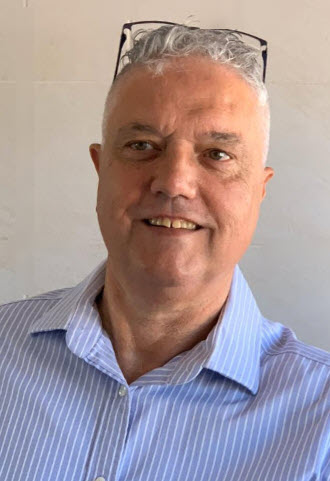
Siegmund qualified with a B. Compt. from UNISA and followed this up with his CIMA (as an associate in the Chartered Institute of Management Accountants). He read for a Diploma in Datametrics, specializing in systems design and later for a H.Dip Tax.
It seemed natural that these academic studies should be followed by studies in a MBA. Financial constraints did not afford him this opportunity.
However, life experiences are the best teacher and Siegmund therefore, worked for his practical qualification from experience gained by working within different functions of various organisations through the years.
He has worked in or managed many functions within the corporate world and served on boards and at directorship level. These functions included production planning, warehousing and logistics, through to support functions such as procurement, IT and finance.
His financial exposure has been from the bottom, on the clerical level, all the way up to directorship and board level, incorporating the disciplines of auditing, financial accounting, costing, management accounting, financial management, taxation and treasury.
Looking Back
At heart though he has always been foremost an entrepreneur and his passion has been how to make businesses become successful. From early on in his career, where he designed a statistical forecasting model in the mid 80’s (which later got implemented in five countries), he has always looked for easier and better ways to create value in the business, often challenging the paradigms of corporate structures and thinking.
Having started off in auditing, he has built up his work experience of more than 40 years, mainly within medium to large corporates. Along the way he had supported friends and family in their own little start-up business ventures and created his own little ventures too.
This has given him a more balanced view of what really makes businesses work for the mom/pop shop through to the multi-national type of organization.
These various businesses operated in a variety of markets including, glass, paper, maize wet milling, automotive, plastics, cleaning services and the metal industry such as zinc, lead and cast-iron.
Looking Forward
Having facilitated change management process workshops in the 90’s he learnt the power of shifting paradigms and realized that many businesses are hamstrung, by the breakdown in the communications of the finance function with their peers in the operating functions.
This communication gap that exists, even between the bookkeeper and the professional accounting technician, is compounded by the fact that, too many of the finance disciplines are geared towards adhering to statutory reporting requirements, to the detriment of the value creating functions that has now become imperative in the modern business.
His creation of the Logic-Models™ was directly as a result of finding ways to bridge the gap between, the messages that the finance function was conveying in the analysis of the historical results and how to get his peers to make the business financially stronger, when making their daily business decisions.
This has grown to the point where it is now time to share, the knowledge gained over the years, for the benefit of everyone involved in the successful running of a business.